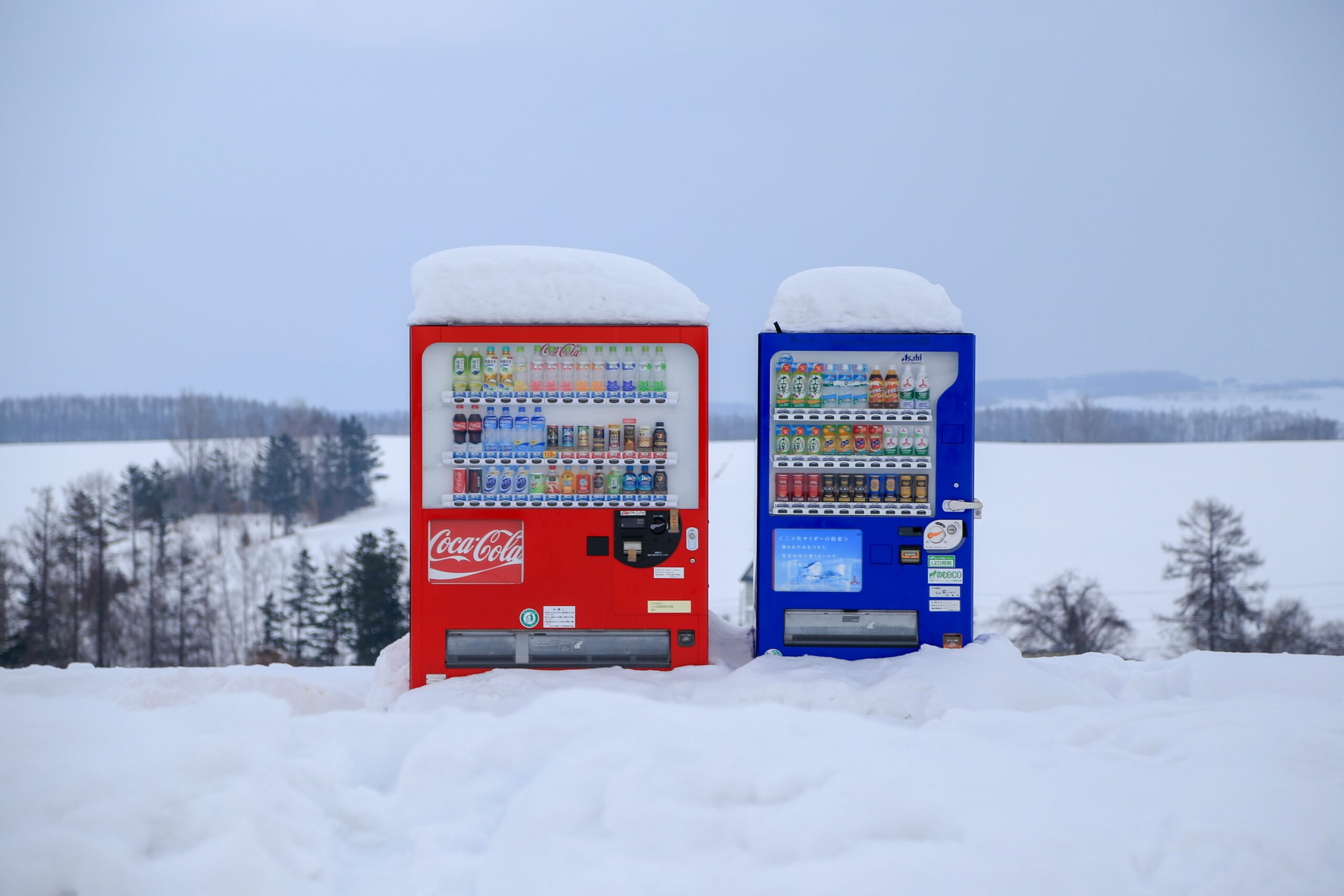
Stroll via the corridors of a bustling metropolis, a quiet college campus, or a hospital ready room, and one factor catches your eye virtually all over the place: the merchandising machine. At first look, it appears unremarkable—a easy dispenser of snacks, drinks, or small necessities. But, upon nearer inspection, these machines inform a a lot deeper story. They’re silent narrators of our tradition, reflecting our values, habits, and wishes in methods we not often cease to think about. On this sense, merchandising machines are greater than mere conveniences—they’re mirrors of society itself.
The evolution of merchandising machines and the merchandise they dispense is a window into human habits. From the earliest coin-operated machines providing postcards and gum to trendy good merchandising machines that present wholesome snacks, artisanal coffees, and even tech devices, the choices we select and the places we place them communicate volumes about our priorities. Merchandising machine product concepts have turn out to be more and more numerous, catering not solely to starvation or thirst but in addition to way of life, aspiration, and even identification.
A Temporary Historical past of Merchandising Machines and Society
The story of merchandising machines dates again centuries. Historic Greek engineers devised coin-operated machines for allotting holy water. By the nineteenth century, mechanical improvements enabled the sale of postcards, candies, and tobacco within the rising city facilities of Europe and North America. Every evolution of the merchandising machine paralleled societal shifts: industrialization demanded fast options for staff, urbanization created areas the place comfort grew to become essential, and technological development enabled machines to turn out to be extra refined and supply a wider vary of choices.
As merchandising machines unfold throughout continents, they grew to become greater than instruments for commerce. They grew to become reflections of social priorities. What society valued—velocity, effectivity, indulgence, well being, novelty—was encoded into the merchandise these machines disbursed. In Japan, for instance, merchandising machines promoting recent fruit, umbrellas, and even sizzling meals mirror a tradition that prizes comfort, precision, and wholesome or helpful merchandise as a lot as steady availability. In distinction, American merchandising machines historically targeted on sugary snacks and sodas, reflecting each a tradition of quick consumption, far much less nutritious meals, and mass-produced comfort.
The transformation of what’s provided and the way it’s provided mirrors cultural evolution. Merchandising machine product concepts at present are usually not restricted to the predictable sweet bar or bottled water. They embrace natural snacks, plant-based meals, eco-friendly home items, and even wellness merchandise, reflecting a rising societal emphasis on well being, sustainability, and individuality.
Merchandising Machines as Cultural Barometers
Why do merchandising machines supply such perception into society? The reply lies within the selections they current. Each product in a merchandising machine represents a response to client demand and societal norms. Once we analyze these selections, patterns emerge.
Contemplate the prevalence of power drinks and caffeinated drinks in merchandising machines close to universities. These merchandise communicate to a tradition of hustle, the place productiveness and endurance are prized. On company campuses, merchandising machines stocked with connoisseur espresso or protein-rich snacks sign knowledgeable tradition that values efficiency, picture, and wellness concurrently. In hospitals, machines providing nutritious choices and hydration selections underscore societal concern for well being and restoration.
Even the design of merchandising machines mirrors cultural tendencies. Smooth, high-tech touchscreens talk innovation and a desire for know-how integration. Vibrant, colourful shows mirror a playful, consumer-driven tradition. Machines that settle for digital funds sign societal consolation with cashless transactions. On this method, the merchandising machine turns into a cultural artifact, a mirrored image of each who we’re and what we prioritize.
Comfort as a Cultural Worth
One of many clearest methods merchandising machines mirror society is thru the worth we place on comfort. The very existence of those machines responds to a want for immediacy. Trendy life is fast-paced, and folks more and more search options that cut back friction in each day routines. A merchandising machine provides immediate gratification, whether or not it’s a snack at a late-night bus cease or a forgotten merchandise like a telephone charger in a hospital ready room.
This emphasis on comfort speaks to bigger cultural narratives. In societies the place time is equated with productiveness, fast entry to merchandise turns into important. In city environments, the place persons are always on the transfer, the merchandising machine represents a cultural acceptance—even celebration—of effectivity. It’s a small however telling indicator of how societies arrange time, labor, and a spotlight.
The Intersection of Know-how and Tradition
The trendy merchandising machine is more and more a technological marvel. Contactless funds, cell app integration, AI-driven stock, and personalised suggestions all mirror a society that embraces technological comfort. These developments are usually not nearly enhancing effectivity—they’re indicative of cultural expectations surrounding accessibility, personalization, and immediate gratification.
Know-how additionally transforms how folks work together with merchandising machines, making a refined cultural dialogue. When a merchandising machine recommends a product primarily based on earlier choices, it’s responding to particular person habits whereas concurrently shaping client habits. This interaction between know-how and tradition demonstrates how merchandising machines do greater than meet present demand—they affect traits and reinforce cultural patterns.
Merchandising Machines and Id
Past comfort, merchandising machines supply perception into private and collective identification. The selection of product—whether or not a chocolate bar, artisanal snack, or wellness merchandise—can mirror private values, habits, and way of life. In a world the place self-expression is more and more linked to consumption, merchandising machines present a snapshot of identification on the particular person stage
Additionally they mirror collective identification. A machine in a company fitness center providing protein bars, electrolyte drinks, and health gear tells a narrative concerning the priorities of the neighborhood it serves. A merchandising machine in a school dorm stocked with immediate noodles, power drinks, and late-night snacks speaks to scholar tradition. These selections, when noticed throughout a number of machines, present a cultural map of a society’s values and routines.
International Views: How Tradition Shapes Merchandising Machines
Completely different cultures interpret comfort, identification, and consumption uniquely, and that is mirrored of their merchandising machines. In Japan, merchandising machines go far past snacks and drinks. They dispense sizzling meals, recent produce, toiletries, umbrellas, and even electronics, reflecting a tradition that prizes omnipresent accessibility and effectivity. In distinction, European machines may deal with espresso, baked items, or native specialties, signaling a cultural emphasis on high quality, custom, and regional identification. American machines typically spotlight velocity, portion dimension, and indulgence, reflecting a tradition that celebrates abundance and immediate gratification.
These variations are usually not superficial—they reveal deep cultural values. By analyzing what merchandising machines supply, researchers and entrepreneurs can acquire insights into priorities, consumption patterns, and way of life traits throughout societies. Merchandising machine product concepts in a single nation may be fully unrecognizable in one other, illustrating the intimate hyperlink between cultural context and client habits.
Merchandising Machines as Cultural Storytellers
Merchandising machines do greater than promote merchandise; they inform tales. Every merchandise is a cultural signifier, a mirrored image of what society values, wishes, or fears. Power drinks, wellness snacks, artisanal chocolate, smartphone equipment, hygiene merchandise—all talk narratives about well being, pleasure, effectivity, and identification.
For entrepreneurs and entrepreneurs, these machines are fertile floor for experimentation. The selection of product, location, design, and even fee strategies may be tailor-made to mirror cultural understanding. By listening to traits in vending machine product ideas, companies can anticipate client habits and create choices that resonate with cultural values.
The Way forward for Merchandising Machines and Cultural Reflection
As society continues to evolve, so too will merchandising machines. More and more, machines will mirror traits in personalization, sustainability, and know-how integration. AI-driven machines could tailor choices primarily based on demographics, previous purchases, and even temper. Machines may turn out to be extra interactive, providing strategies, promotions, and academic content material. The merchandise themselves will proceed to mirror altering tastes, moral priorities, and way of life selections.
Merchandising machines could even turn out to be cultural hubs, showcasing native artistry, regional meals, and neighborhood initiatives. On this sense, they won’t simply mirror tradition—they are going to actively take part in shaping it.
Conclusion: Comfort, Id, and Reflection
Merchandising machines are sometimes dismissed as easy dispensers of snacks or small gadgets. But, they’re excess of that. They’re cultural mirrors, revealing insights about comfort, priorities, and identification. They mirror the values of the societies that embrace them, the habits of the people who use them, and the evolving traits that form our collective future.
From their historic roots to trendy AI-enhanced designs, merchandising machines inform a narrative about human habits, societal values, and the complicated relationship between comfort and identification. By observing what these machines supply, the place they’re positioned, and the way they’re used, we acquire a richer understanding of who we’re as a tradition—and the way our selections, habits, and improvements outline us.
For entrepreneurs and entrepreneurs, conserving a pulse on merchandising machine product concepts is greater than a enterprise technique—it’s a method to perceive society itself. Each choice, each location, each innovation gives a lens via which we will interpret tradition. And in a world that values comfort as a lot as identification, merchandising machines are usually not only a reflection—they’re a dialog, a refined however persistent reminder of what we worth, who we’re, and the way we reside.
Pre-order my debut kids’s e book
Greek Myths, Folktales & Legends for 9-12 12 months olds
Printed by Scholastic. Out there on Amazon

Trending Merchandise