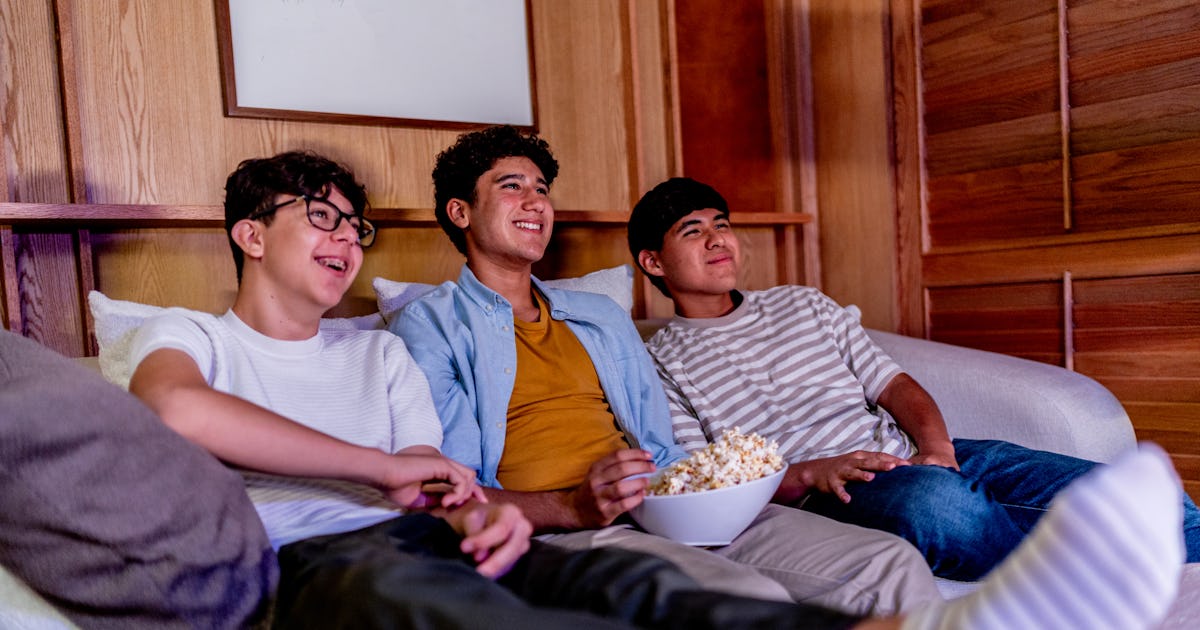
A whole lot of us dad and mom from the Gen X and Millennial eras have stereotypes in our heads about Gen Z kids (aged about 12 to 24). We image them always on their screens watching 30-second YouTube Shorts and probably not understanding the fantastic thing about an evening on the movie show or anticipating a TV present season finale.
However UCLA’s 2025 Teens and Screens annual report simply dropped, and it comprises some shocking details about our youngsters and their watching habits.
Before everything? Teenagers and tweens nonetheless love TV exhibits and films. A full 57% mentioned that they watch conventional content material than their dad and mom assume they do — they usually discuss it to their associates greater than they discuss social media shorts.
And whereas the theater business continues to battle within the years after the pandemic, Gen Z reported that their high media exercise for the weekend was going to a movie show with associates.
Gen Z can be sending one other robust message within the report: they’re bored with pressured romantic storylines between characters and will do with much less intercourse on display. As a substitute, they need to see extra developed platonic friendships between genders. In truth 54% of youngsters surveyed wished different-gendered characters to “prioritize their friendship as a substitute of turning it right into a romantic relationship.”
Nearly half — 48.4% — of individuals mentioned that there’s “an excessive amount of intercourse and sexual content material in TV and films.” And a fair larger 60.9% expressed a need to see romantic relationships depicted as “extra concerning the friendship between the couple than intercourse.”
It’s half of a bigger pattern that teenagers simply need to see their actual lives mirrored on the display.
“Teenagers are telling us loud and clear – they’re ‘over’ pressured and unrealistic romantic storylines,” Alisha Hines, Heart for Students & Storytellers vp of analysis and packages said in a press release about the report. “Our findings present that what they actually need is content material, characters and friendships that really feel actual and replicate on a regular basis experiences they’ll authentically relate to.”
The report surveyed 2,000 children between the ages of 10 and 24 and has been monitoring teenagers’ emotions on the media for years.
The UCLA research displays a couple of issues we already learn about Gen Z. They’re a technology that was extra sheltered than the latchkey children that got here earlier than them — and likewise a technology extra prone to have been affected by the isolation of the 2020 pandemic. The result’s a gaggle of youngsters who don’t party like we did, don’t drink like we did, and don’t have sex like we did.
The explanations are advanced, however they’ve extra anxiousness and really feel extra alone than generations that got here earlier than. Perhaps that’s why they’re actually craving deep and significant friendships — and portrayals of actuality — relating to their TV and films.
Trending Merchandise