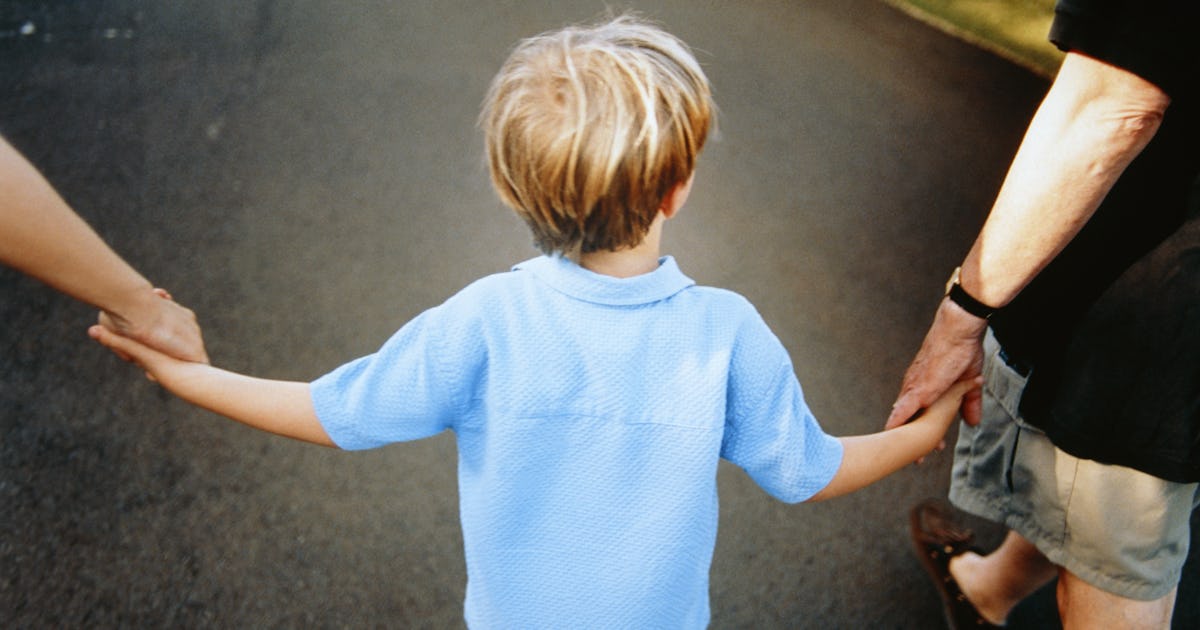
Anybody who’s ever had one youngster has heard it. Typically it’s years after welcoming your infant, different instances it’s inside earlier than you’ve even pushed out your placenta. The query “Are you going to have another?” or worse, “When are you going to have one other?” or even worse “When are you going to offer [child] a sibling?”
At greatest it’s mildly annoying. At worst it’s profoundly hurtful. And but regardless of what number of instances we are saying that, the query stays, as does the idea that solely youngsters are in some way doomed to a life of loneliness with no sibling.
However new analysis reveals that the brains of grownup solely youngsters say in any other case…
A new study, revealed within the journal Nature Human Habits checked out 2,397 pairs of people, effectively matched in covariates, to see how siblings or an absence of siblings impacts the grownup mind. Photographs had been drawn from the CHIMGEN (Chinese language Imaging Genetics) cohort, a big neuroimaging examine that identifies genetic and environmental elements on the mind. Researchers checked out mind construction, operate, connectivity, cognition, character and psychological well being amongst different elements in individuals with siblings and rising up with out siblings.
A crew of scientists in China used strategies together with mind imaging, behavioral assessments and socioeconomic and childhood trauma questionnaires to guage a gaggle of seven,186 individuals ages 18 to 30, together with solely youngsters and people with siblings.
Along with mind imaging, researchers carried out behavioral assessments and questionnaires about socioeconomic and childhood trauma. Their outcomes could be shocking, at the least to each busybody auntie who insists your very blissful solely youngster wants a sibling in the event that they ever need a fulfilled life.
“Opposite to the stereotypical impression of associations between [only children] and downside behaviors, we discovered constructive correlations of GWS with neurocognition and psychological well being,” the summary reads.
Certainly, the examine not solely discovered higher psychological well being outcomes for under youngsters, however higher reminiscence and language skill, and life satisfaction. Solely youngsters had been additionally discovered to be extra inventive, much less reward dependent, and impulsive.
However earlier than the dad and mom of solely youngsters let it go to their heads, there are some elements to contemplate. For one factor, “regardless of direct results,” the examine reads “[growing up without siblings] impacts most mind and behavioural outcomes by way of modifiable environments, similar to socioeconomic standing, maternal care and household assist, suggesting targets for interventions to reinforce youngsters’s wholesome development.”
In different phrases, there was a better correlation between a household’s materials assets and assist techniques and kids’s long-term psychological well being than whether or not they had siblings. It’s virtually like there’s nobody proper strategy to have a household. Are you able to even think about?
Trending Merchandise